Choosing Blinds in Australia: The Definitive Guide to Quality & Peace of Mind
Wiki Article
Blinds Are A Great Option To Block The Sun And Shield Your Home From The Sun.
The sun is the currency of Australian homes. We long for its warmth and happiness, but must manage its most demanding aspects which is the intense radiation and the intense heat that can turn the most loved rug into a memory and turn the living space to a sauna in the middle of the day. Selecting blinds is not only about style and privacy, but also environmental protection. Blinds provide your primary daily shield from the Australian sun. Understanding how different materials manage heat and UV is the most important factor in preserving your home's interior, your comfort, and cooling budget. Consider a barrier rather than just a covering.
Our windows can be a double-edged weapon. The primary one is UV radiation. In Australia it's one of the strongest in the world. This invisible energy does not just cause a sunburn and a sunburn, but also damages molecular bonding in textiles and dyes. It's the silent power that changes the vibrant crimson cushions into a washed-out pink, causing precious photos or artwork to fade away behind glass. The second is solar gain, which is infrared light that makes glass a radiant heat source. If not controlled the heat will engulf your room, forcing air conditioners to run at full capacity and thereby boosting your energy bill. A blind that offers just shade won't win only half the fight. The best blinds are designed to provide the control of heat and light.
The first step is filters for light. Simple, unlined fabric, like those found in Roman or Roller blinds can provide privacy and reduce glare, but they offer very little protection from heat and UV. They're curtains for eyes, not against the sun's rays. If you are seeking protection that is truly effective consider specialized fabrics and weaves.
The filter weave, also known as sunscreen is undisputedly the best. It is made from synthetic mesh, which is generally coated with PVC. Its genius is its selective filtration. It blocks harsh sunlight to give the appearance of a soft, pleasing glowing. It keeps you in contact with the outdoors while preventing harmful UV radiation. It works like a quality pair of sunglasses that are permanent. This intelligent and modern product is perfect for rooms which require light, but don't want it to harm walls, like living areas, sunrooms or home offices. Its efficiency is measured by its Openness Factor (the percentage of open space within the weave) as well as its UV Blockout rating; a skilled supplier will be able to offer this data.
The blockout materials provide the ultimate in defence for situations that require complete protection. They are woven in a dense manner and usually backed with a layer of acrylic or rubberised. They offer a near-total blockage (99.5%+) and also of light and ultraviolet rays. If they are completely lowered, they create an effect of darkness, which is great for media rooms and bedrooms. A significant benefit of theirs is their thermal insulation. The air barrier they create in the windows can reduce the transfer of heat dramatically. Summer heat is blocked out, while keeping winter warmth inside. Many of the most sophisticated models have a reflective backing, which is often metallic. The reflective backing bounces solar energy off of the glass.
Honeycombs or cell blinds are a good illustration of how the design of the structure can be a major factor. These hexagonal blinds are engineering marvels. These pockets on the vertical side create an insulating barrier by trapping still air. Think of it as double-glazing your blind. The dense fabric walls offer great UV protection as well as superior thermal performance, which keeps the interior warmer in winter and cooler in summer. They're usually the top performers in regards to energy efficiency.
You should always take a look at the material's structure and its treatment, not only its front-facing color. Ask about the composition of the fabric and its treatment. Solutions-dyed fabric (like acrylics and polyesters) are created with colour in the fibres which makes them more fade resistant than fabrics that have dye applied on the surface. It is possible to tell whether a UV inhibitor was used in the process of manufacturing by looking for any mention of it. For PVC or vinyl blinds the thickness and quality of the material determine its long-term durability and strength under continuous sunlight exposure.
You must shift your conversation with the supplier from the subjective ("I like this color") to a more objective. Be sure to ask revealing questions like "What is the exact UV block of this fabric?" "Does it have a thermal or reflective backing?" "What's the typical fade-life of this type of material if it's installed on glass that faces north?" A reliable company will be able to answer this question. They will also inquire about your window, its design and what exactly you want to protect. They are aware that blinds designed for rooms that has a southern orientation as well as those for a lounge with an orientation towards the north and both with silk couches, need different recommendations.
Performance and fit is the last, yet often underrated factor. Even the most technologically advanced materials can be compromised by gaps. An expert installation that makes sure the blind fits perfectly within its recess, or that it is properly over the frame is vital to prevent "light leakage"--those slivers of sun which can cause fading over time. How often you will deploy the blind is contingent upon the ease of use. The purpose of blinds that weigh a lot is defeated when it's closed. Smooth, cordless or motorised operation is a great way to encourage daily use as a routine, not an obligation.
The benefit over the long term of investing in blinds is that they provide protection from heat and UV. This is an excellent investment because it will protect your artwork, furniture, and flooring. It's an investment in efficiency, reducing your stress on your cooling system and reducing your electric bills. And it is an investment in liveability--creating comfortable, glare-free spaces that are a joy to inhabit throughout the day's changing light.
In the Australian context where the sun is a strong and continuous presence, your blinds are more than decor. They're an essential part of your home's climate control system. Selecting the right material is letting the light into your home at your own pace. You can take in the view without cost and the colours will be bright. Shade is a smart device that can be utilized to create a relaxing and sustainable lifestyle. Read the top rated blinds for blog advice including perfect fit blinds direct, door with blinds, aus blinds, blinds single, order window shades, all the blinds, 15 blinds, need blinds, just blinds, blinds on the door and more.
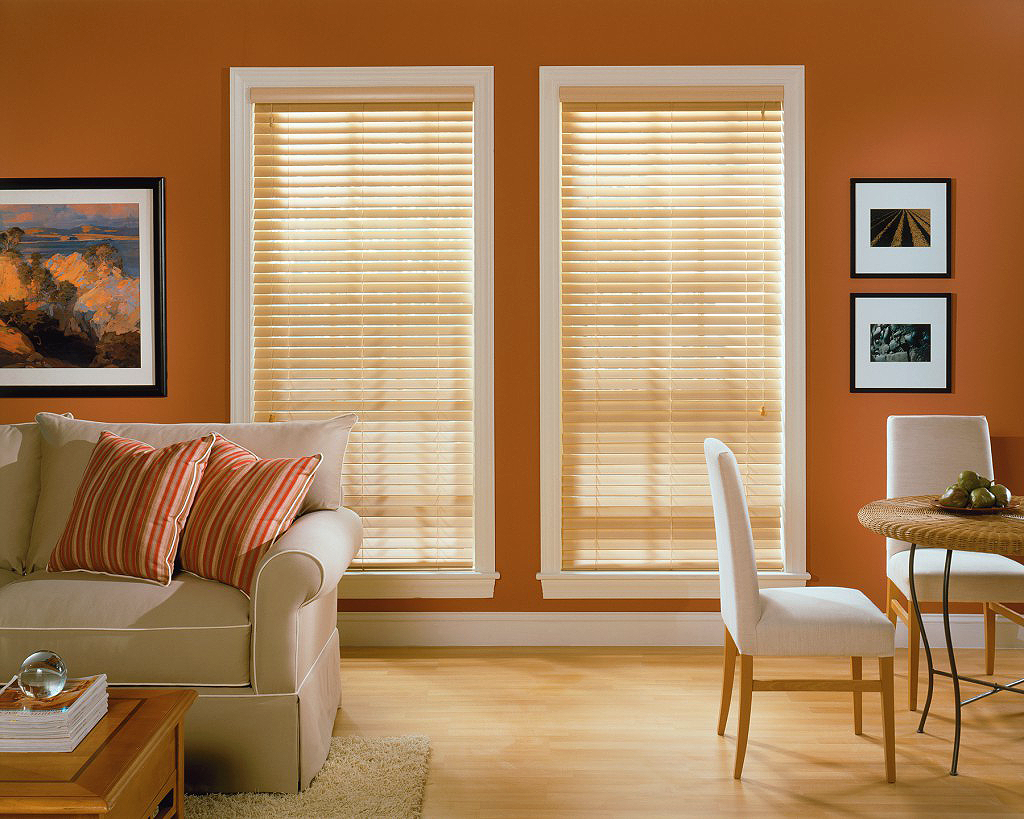
How To Evaluate Your Blind Supplier With More Than Just The Brochure
The Australian blinds market is more than simply a purchase. It's a contract. The promise is that all measurements will be precise, the installation flawless, the motor will function reliably for many years and that any faults can be fixed without hassle. The fabric you hold is real, but beneath it are service, expertise, and integrity. All of these are crucial. Before you even talk about the fabric or request a price, the most important research should be conducted on the reputation of the supplier. In an industry in which the price of a mistake can be a poorly fitted, non-functioning blind and months of frustration, the company's reputation in the community is your main shield.
The online reviews will always be the first place to begin, however it is crucial to examine them thoroughly and not just look at the average score. A flawless 5.0 score with just a few reviews could be just as suspect as a low score. Look for volume and patterns across multiple platforms--Google My Business, ProductReview.com.au, and Facebook. Don't only focus on the glowing testimonials. Check out the three and four-star ratings, as well as the responses of the company when there's negative feedback. The character of the supplier will be revealed in this section. It is possible to defend themselves with blame or admit the problem, and then provide an approach. It's an indication of accountability when a firm acknowledges the issue and apologizes publicly. If you're concerned about a specific issue seek out specific praisesuch as "Their installator, Mark was meticulous in his cleaning and cleaned the area perfectly," or "They handled an unexpected delay in manufacturing with transparency and kept us informed." This kind of feedback is more valuable than one hundred "Great work!" comments.
But, online reputations can be managed. This is when the value of time in business can be a powerful old-fashioned measure. You can depend on a local supplier who has been serving generations of homeowners, navigated many economic cycles and is adept at adapting to the changing safety regulations. The fact that they have been in business for a period of 10 or 15 years suggests that they have sorted out the numerous issues that are likely to occur - faulty fabric bought from the shop or window that's not even the right size, motor that's not working and devised systems to address these issues. Since they're likely to have established direct, strong relationships with manufacturers, this provides them with more power in terms of warranty claims and better access to top-quality parts. Long-term local presence shows that they've made a commitment to the region; their business name is linked to their activities within the community. They can't afford to do an unprofessional job and redesign their brand next year.
Assessing their portfolio of work in your area is the next stage. A reliable company should showcase their work, not just from national catalogs, but also from local residences. Ask direct: "Can I see examples of shades that you've put in windows that have a heritage style similar to mine?" Have you got photos of an automated system that you've put in place in your modern open-plan living space? They could demonstrate their capability to complete by creating these. You may also ask them to arrange a visit to the site of the completed project or give you the contact details of a former client. Due diligence can only be replaced by looking at and inspecting the work on site, or by hearing from homeowners about the process. It helps shift the conversation from theoretical claims to actual outcomes.
Beyond these three pillars, the direct contact with us is a live audit. The method used by a reputable provider is educational and not transactional. They must ask you numerous questions regarding your house, your everyday life, any concerns regarding children or pets and your future plans. For anything more than a regular window it is recommended that they request an in-person visit, as the floorplan of a room is a recipe to catastrophe. Their quote should be detailed including breakdown of the supply, measuring the installation and ancillary costs for things like extra child safety devices or custom brackets. The vagueness is a major alarm.
Be deeply wary of the "too-good-to-be-true" quote. Blinds are a business with a lot of businesses that compete solely on the cost. These companies often use inferior imported goods, have no local stock and offer warranties which are difficult to enforce. The true cost emerges in the future: blinds that fade within a season, motors that fail just outside of a return window and a contractor who leaves an unfinished mess and doesn't answer the phone. The cost of a reliable supplier is based on local wages for qualified installers as well as the top quality of Australian-compliant materials, and overhead costs associated with maintaining the physical presence.
The decision to choose blinds providers in Australia is essentially a risk-management exercise. You are investing hundreds or thousands of dollars into a custom-made product that becomes an actual part of your house. The supplier’s reputation is their collective record of the way they've handled this obligation alongside other people. You can tell if they are going to honor their commitments by studying the company's reputation. You can trust that they'll install it with care take a second look, double check, and stand behind their work. A local supplier who has an excellent reputation and solid track record can provide you with an unbeatable service in a world where digital storefronts are commonplace, along with gig-economy services. It's a guarantee that the product you see on the brochure is likely to be a beautiful, functional blind for your home. The peace of mind is the most important thing in any quotation.
